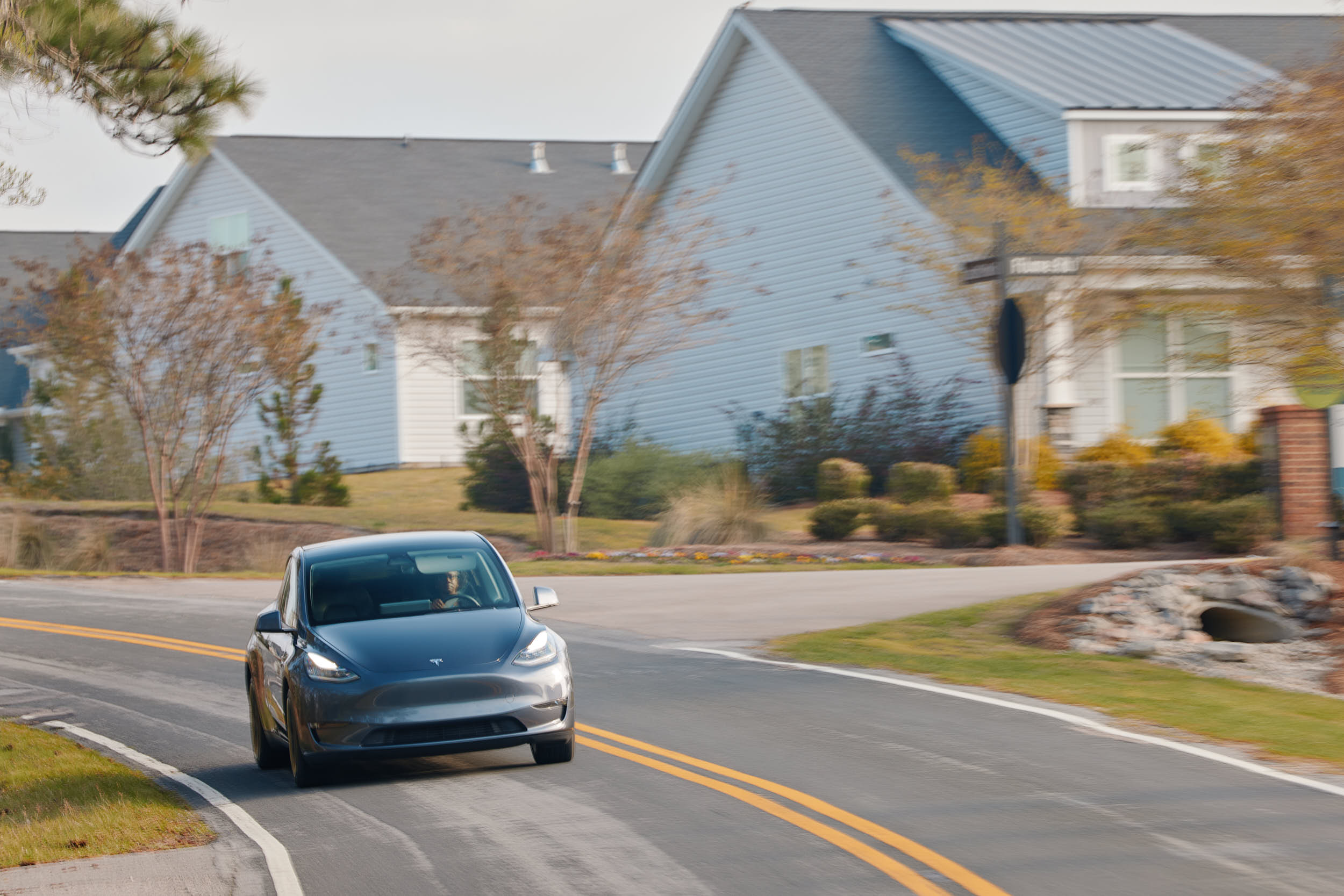
Considering an EV?
Get the facts on costs, range, charging, batteries and maintenance and decide if an EV works for you.
Are EVs more expensive than gas powered vehicles?
Some electric vehicles cost more upfront than gas-powered models. But the sticker price is only part of the story. Depending on how much you drive, an EV can cost less to own over time thanks to lower charging and maintenance costs. Compare the total cost of owning new and used gas-powered vehicles and EVs with our Cost of Ownership Tool.
The latest numbers from June
New Vehicles
Used Vehicles
Average transaction prices reflect vehicles sold during the month and are not direct comparisons between similar vehicle models.
How far can EVs go on a single charge?
On average, a new EV in 2026 offers 325 miles of real-world range on a single charge. That’s more than enough for everyday driving and many longer trips.
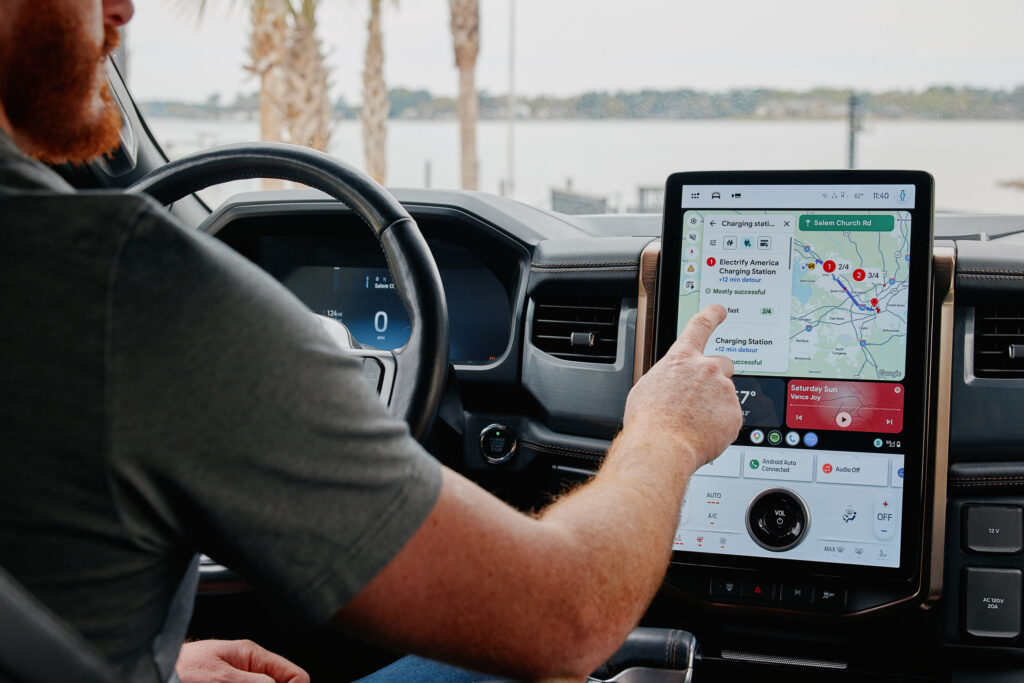
Use our Range Tool to estimate whether you’ll need to charge while on trips around the state and how many EV fast chargers are available along your route.
Do EVs require any maintenance?
In most cases, EVs require less maintenance than gas-powered vehicles:
Fewer Moving Parts
Fewer moving parts mean fewer components that can wear out or require routine maintenance.
| Less Routine Maintenance | EVs | Gas |
|---|---|---|
| Tire Rotations | Yes | Yes |
| Brake Inspections | Yes | Yes |
| Cabin Air Filter Replacement | Yes | Yes |
| Wiper Fluid & Wiper Replacements | Yes | Yes |
| Oil changes | No | Yes |
| Spark plug replacement | No | Yes |
| Engine air filter replacement | No | Yes |
| Transmission fluid service | No | Yes |
| Engine belts | No | Yes |
Batteries last longer than you think
Today's EVs hold their range well over time.
Lower Maintenance Costs
According to Argonne National Laboratory, EVs cost about 40% less to maintain than gas-powered vehicles over the life of the vehicle.
You're Protected
Gas and EV powered vehicles meet the exact same federal motor vehicle safety standards and have a federal battery warranty.
Sources: Recharged, U.S. News, Argonne National Laboratory
Built for everyday life
- Trucks & SUVs: Several electric pickups and SUVs are rated to tow 7,500 lbs or more.
- Instant torque: Electric motors deliver full torque immediately, so pulling a load feels effortless.
- Plan for range: Towing heavy loads reduces range, so plan charging stops on longer hauls.
- Remote Access: Start charging, check battery status, and pre-heat or cool your car using an app.
- One-Pedal Driving: Many let you accelerate and slow down using the accelerator while recharging with regenerative braking.
- Driver Assistance: These features can help reduce fatigue on longer drives.
- Over-the-Air Updates: Many EVs receive software updates without a trip to the dealership.
- Every body style: Sedans, SUVs, pickups and minivans are all available as EVs.
- New or used: A growing used market means more affordable ways to go electric.
- Room to spare: Flat floors and front trunks add legroom and storage.
Sources: Kelly Blue Book, U.S. Department of Energy
What's the difference between fully electric and plug-in hybrid electric vehicles?
Fully electric vehicles run only on electricity with no gas required. Plug-in hybrids use both electricity and gas, switching between the two as needed.
| Fully Electric Vehicle | Plug in Hybrid Electric Vehicle | |
|---|---|---|
| Fuel | Electricity Only | Electricity + Gas |
| Driving Range | ~325 miles of range | ~421 miles of range |
| Electric Range | ~325 miles of electric range | ~28 miles of electric range |
| Models Available | BEV: 350+ | PHEV: ~35 |
| Best For | Drivers who want zero tailpipe emissions and typically the lowest operating costs | Drivers who want to drive electric locally with the option of using gas for longer trips |
Your Neighbors Are Already Driving Electric
See how South Carolina drivers are fitting EVs into their everyday lives, from daily commutes and long drives to work, family time and everything in between.